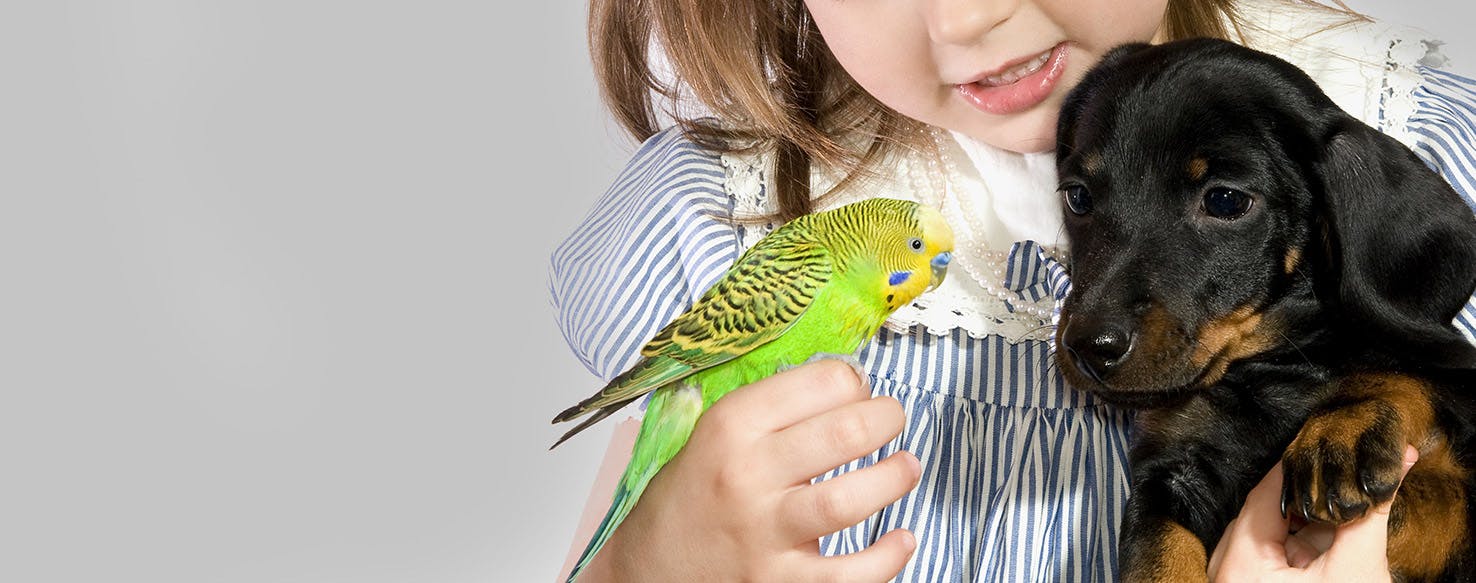
Introducing a new parrot to your home requires patience, care, and the right environment. Proper parrot socialization ensures your bird feels secure, reduces stress, and builds a strong bond with humans and other pets. At The Parrots Exotic Store, we provide expert tips, enrichment products, and accessories to make socialization safe and effective.
Why Socialization Matters
Parrots are intelligent and social animals. Without proper socialization:
- Birds may develop fear, aggression, or stress-related behaviors.
- Bonding with humans can take much longer.
- Interactions with other pets or family members may become unsafe.
Safe socialization promotes:
- Trust and confidence
- Emotional and mental health
- Positive interaction with humans and household pets
Step-by-Step Guide to Human Socialization
1. Create a Calm Environment
- Place the cage in a quiet, safe area away from loud noises and high traffic.
- Limit sudden movements during initial days.
- Ensure the cage is large enough to allow retreat if the parrot feels threatened.
2. Start Slowly
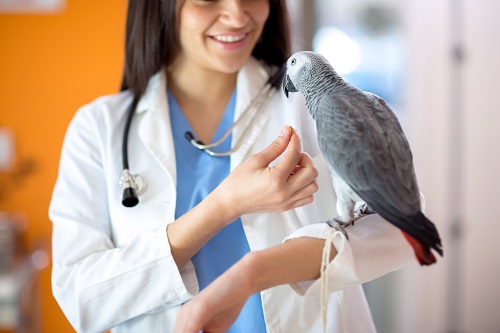
- Allow the parrot to observe humans from a distance before attempting contact.
- Speak softly and avoid sudden gestures.
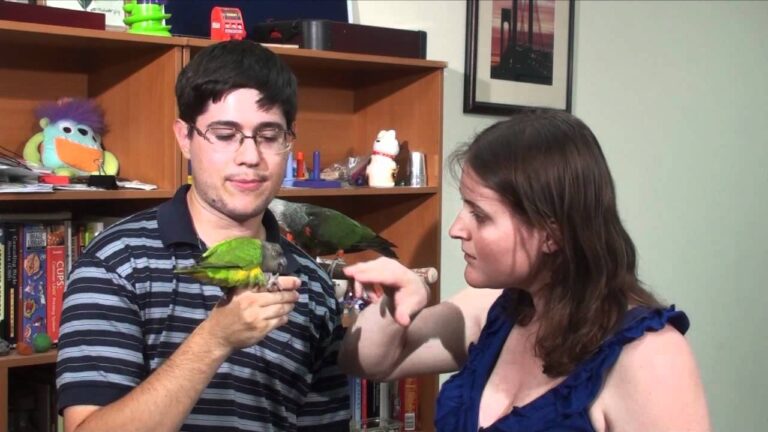
- Offer treats by hand to create positive associations.
3. Consistent Interaction
- Schedule daily social time (10–20 minutes per session initially).
- Gradually increase duration as trust develops.
- Engage in activities like talking, whistling, and gentle head scratches.
4. Respect Boundaries
- Avoid touching sensitive areas (under wings, back, lower body).
- Do not force interaction—let the parrot approach at its own pace.
- Recognize signs of stress: fluffed feathers, hissing, lunging, or growling.
5. Use Positive Reinforcement
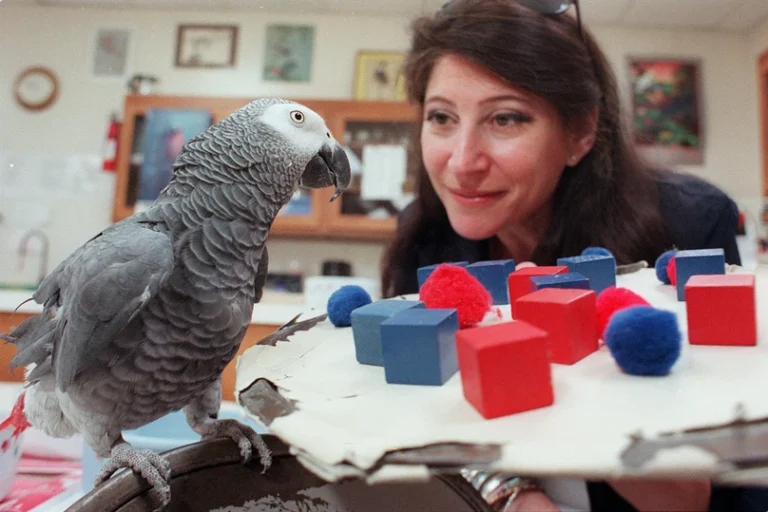
- Reward calm behavior with treats, praise, or favorite toys.
- Ignore mild defensive behavior; forcing attention can increase fear.
Step-by-Step Guide to Pet-to-Parrot Socialization
1. Separate Initial Spaces
- Keep parrots and other pets physically separated for the first few weeks.
- Use barriers, playpens, or separate rooms to allow the parrot to observe safely.
2. Controlled Introductions
- Introduce pets gradually while supervising closely.
- Keep dogs or cats on a leash initially and maintain a calm environment.
- Observe both the parrot and other pets for stress signals.
3. Reward Positive Behavior
- Give treats to the parrot when it remains calm around other pets.
- Praise pets for calm behavior near the parrot.
4. Gradual Freedom
- Slowly increase interaction time as trust develops.
- Never leave the parrot unsupervised with other pets until full comfort is established.
Patience is key—parrots need weeks to months to feel safe around new humans or animals.
Recommended Products for Safe Socialization
- Cages & Stands: Large flight cages and perches give the parrot safe spaces.
- Enrichment & Toys: Foraging and chewable toys reduce stress and keep the bird engaged.
- Training & Handling Aids: Step-up perches and target sticks help teach voluntary interaction.
- Pet-Safe Barriers: Pet gates and playpens allow observation without stress.
Key Takeaways
- Introduce new parrots to humans and pets gradually and safely.
- Respect the bird’s boundaries and allow it to approach at its own pace.
- Positive reinforcement and enrichment toys make socialization effective.
- Use safe barriers and training tools to minimize stress during initial interactions.
- At The Parrots Exotic Store, we offer all the tools, toys, and guidance for safe parrot socialization.