Seasonal hormonal changes are a natural part of life for parrots and many companion birds. However, without proper management, hormonal behavior can lead to aggression, screaming, biting, feather plucking, chronic egg laying, and stress.
Understanding how to manage Hormonal Seasonal Care for Parrots is essential for maintaining a healthy, balanced bird. At The Parrots Exotic Store, we educate bird owners on responsible, science-based parrot care to ensure long-term physical and emotional well-being. Hormonal Seasonal Care for Parrots is very important for all parrot and bird owner.
What Is Hormonal Season in Parrots?
Hormonal season—often triggered in spring and early summer—occurs when longer daylight hours and environmental changes stimulate reproductive hormones.
Common triggers include:
- Increased daylight exposure
- Warm temperatures
- High-fat or soft foods
- Access to dark nesting spaces
- Excessive physical stimulation
Even indoor parrots experience hormonal cycles due to artificial lighting and environmental cues.
Common Hormonal Behaviors in Pet Birds
African Grey Parrot

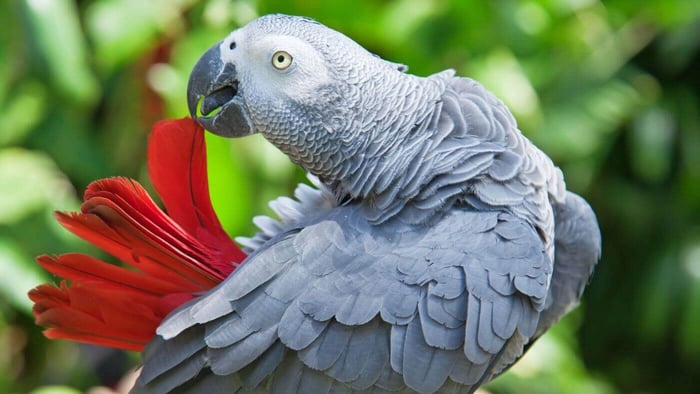

Hormonal Signs:
- Mood swings
- Increased territorial behavior
- Over-bonding to one person
- Feather ruffling and defensive posture
African Greys are highly intelligent and can become emotionally reactive during hormonal spikes.
Cockatiel
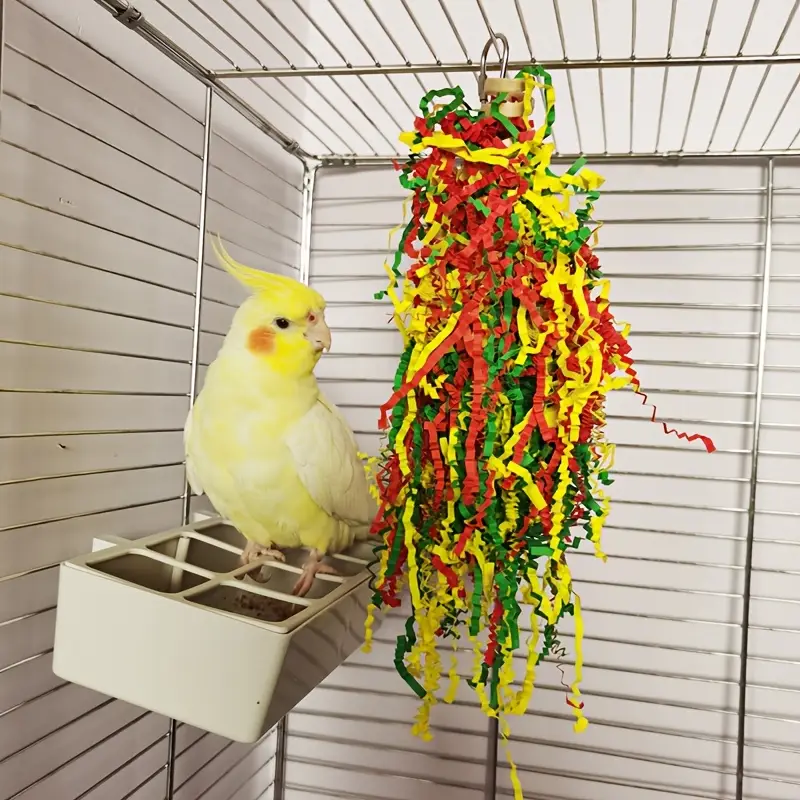
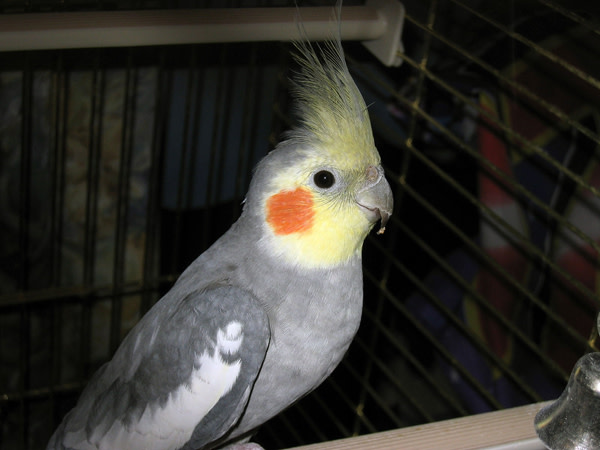
Hormonal Signs:
- Whistling or calling excessively
- Tail lifting
- Seeking dark nesting spots
- Regurgitation behavior
Cockatiels often respond strongly to light cycle changes.
Lovebird
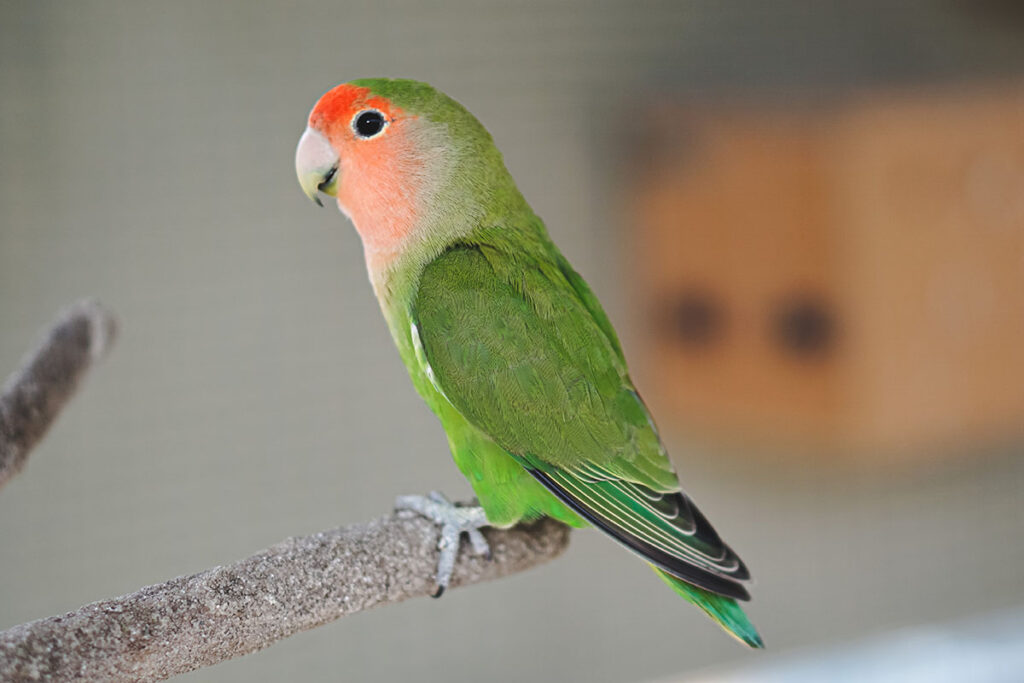
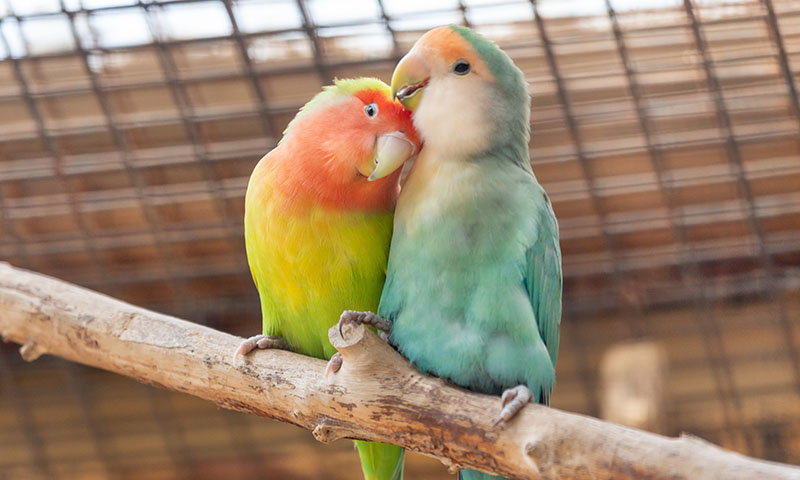
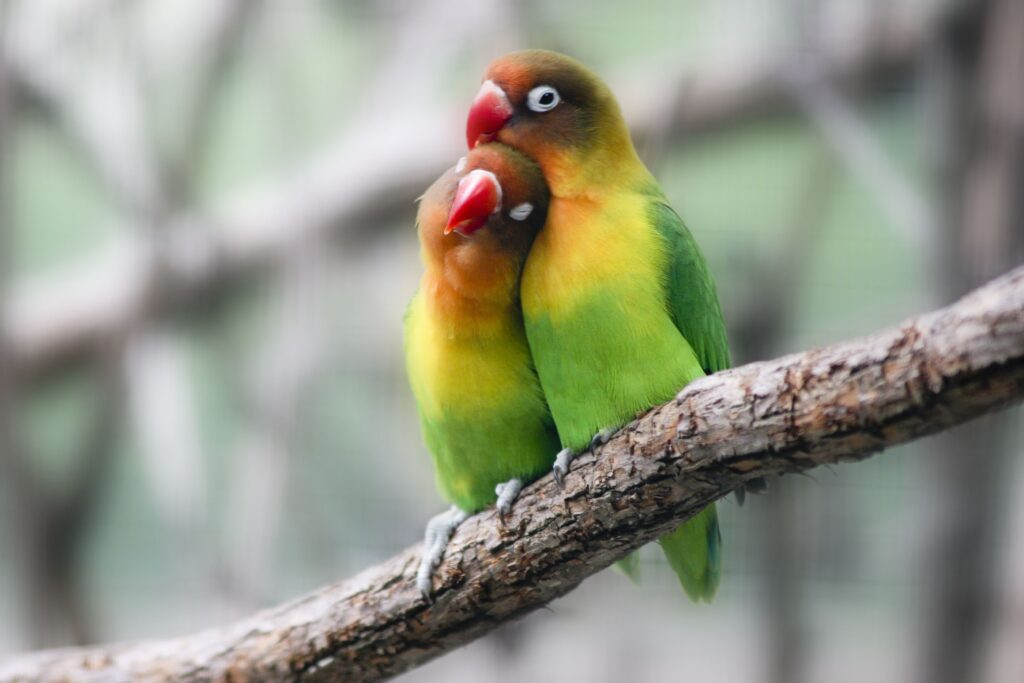
Hormonal Signs:
- Nest-building with paper
- Aggression toward cage mates
- Territorial cage defense
- Strong pair bonding
Lovebirds are particularly prone to nesting behaviors during breeding season.
Hormonal Management Strategies
1. Regulate Light Exposure
Light is the biggest hormonal trigger.
Best Practice:
- Provide 10–12 hours of uninterrupted darkness
- Cover cage at night
- Keep sleep schedule consistent
- Avoid late-night room lighting
Consistency is critical in preventing chronic hormonal stimulation.
2. Adjust Diet During Hormonal Season
High-calorie and warm foods can encourage breeding behavior.
Limit:
- Excess seeds
- Warm soft mash foods
- Sugary fruits
Encourage:
- Balanced pellets
- Leafy greens
- Fresh vegetables
- Measured portions
At The Parrots Exotic Store, we recommend species-specific nutrition plans that support hormonal balance.
3. Avoid Sexual Stimulation
Petting certain areas mimics mating behavior.
Only pet:
- Head
- Neck
Avoid touching:
- Back
- Under wings
- Lower body
Reducing overstimulation helps prevent aggressive bonding and hormonal escalation.
4. Remove Nesting Triggers
Birds look for dark, enclosed spaces when hormonal.
Remove:
- Tents
- Boxes
- Access to under furniture
- Shreddable nesting materials
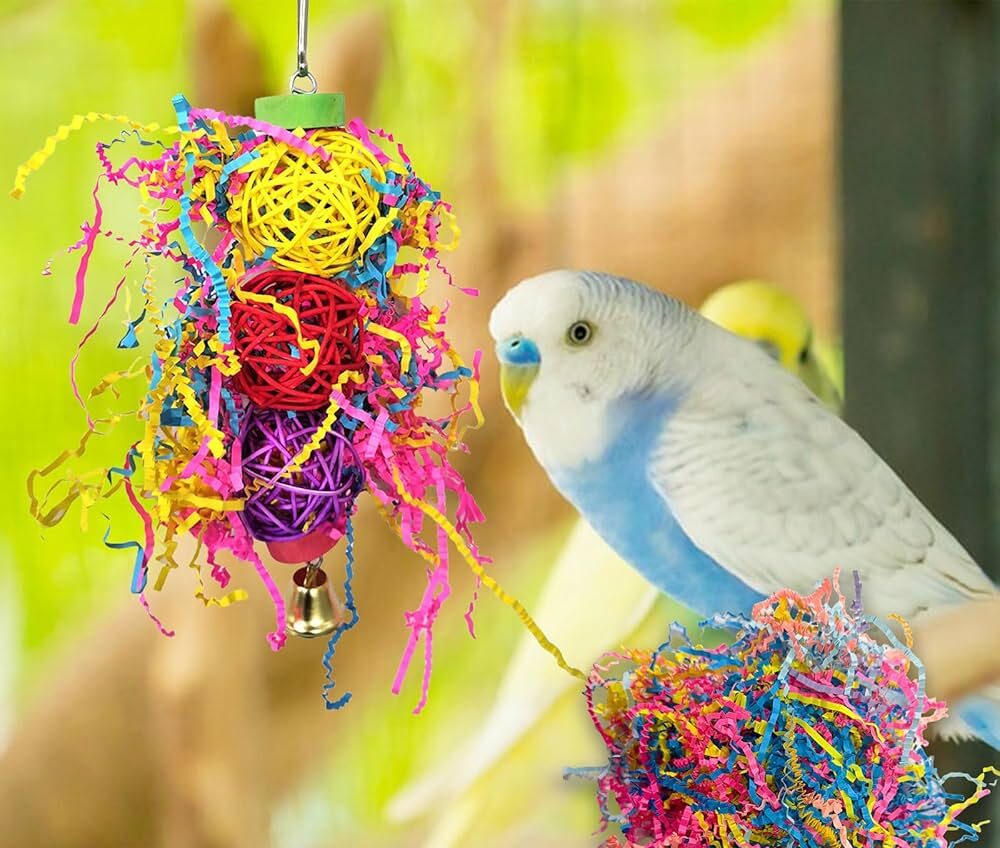
Rotate toys regularly to redirect energy into enrichment instead of nesting.
5. Increase Mental & Physical Stimulation
Hormonal birds need productive outlets for energy.
Provide:
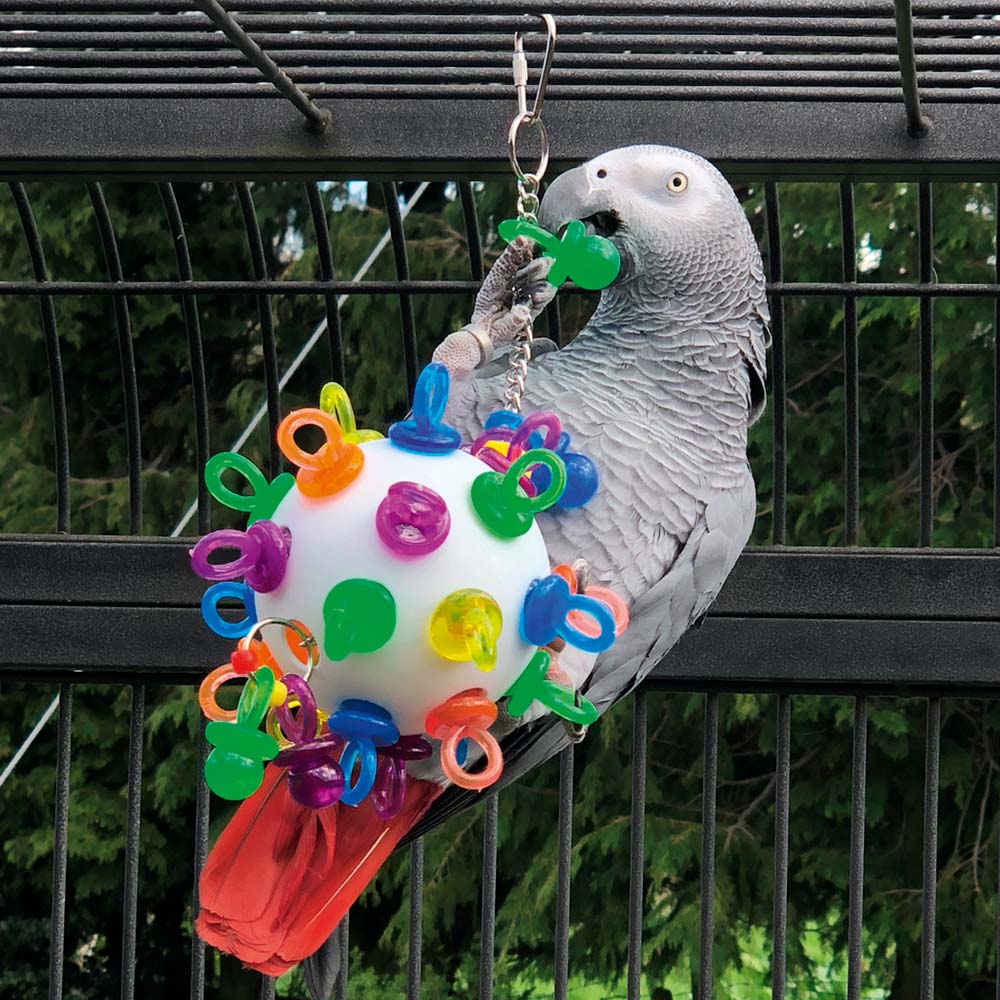
- Foraging toys
- Puzzle feeders
- Supervised out-of-cage time
- Safe flight or climbing opportunities
Exercise reduces hormonal frustration and behavioral problems.
Managing Chronic Egg Laying in Female Birds
Some female parrots may lay eggs even without a mate.
Important Management Tips:
- Do not immediately remove eggs (this may trigger more laying)
- Consult an avian veterinarian
- Ensure proper calcium intake
- Reduce environmental triggers
Chronic egg laying can cause:
- Calcium deficiency
- Egg binding
- Reproductive infections
Early management is essential.
Seasonal Care Beyond Hormones
Winter Care
- Avoid drafts
- Maintain stable indoor temperature
- Increase humidity if air is dry
Summer Care
- Prevent overheating
- Offer fresh water frequently
- Avoid direct harsh sunlight
Molting Season
- Increase protein moderately
- Provide bathing opportunities
- Support feather growth with balanced nutrition
What NOT to Do During Hormonal Season
- Do not punish aggressive behavior
- Do not yell or react emotionally
- Do not introduce nesting boxes unless intentionally breeding
- Do not reinforce screaming with attention
Calm, consistent responses help maintain trust and stability.
Why Hormonal Management Matters
Proper seasonal care:
- Reduces aggression
- Prevents long-term behavioral problems
- Protects physical health
- Strengthens your bond with your bird
- Promotes emotional balance
At The Parrots Exotic Store, we emphasize proactive care and responsible bird ownership. Hormonal seasons are natural—but with proper management, they can be handled safely and effectively.
Final Thoughts
Hormonal changes are a normal biological process for parrots and pet birds. With regulated lighting, balanced nutrition, environmental control, and structured interaction, you can help your bird move through seasonal shifts smoothly.
If you need guidance on nutrition, enrichment toys, lighting, or cage setup, visit The Parrots Exotic Store for expert advice and premium bird care products.