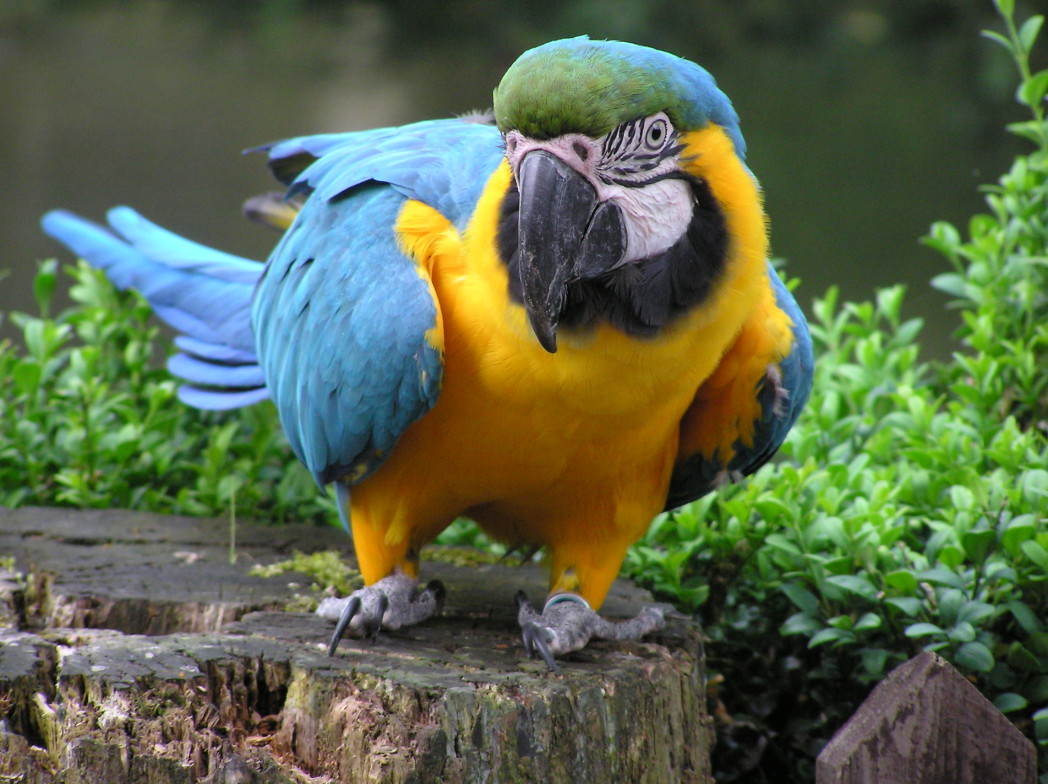
Adopting a parrot is a long-term commitment. Ensuring your new feathered companion is healthy and a good fit for your lifestyle is essential. At The Parrots Exotic Store, we help prospective owners identify healthy parrots and provide guidance on the right questions to ask breeders or shelters before adoption.
Signs of a Healthy Parrot
A healthy parrot is active, alert, and physically well-maintained. Look for these key indicators:
1. Physical Appearance
- Feathers: Smooth, shiny, and well-aligned; no bald patches or broken feathers (unless molting).
- Eyes: Clear, bright, and free of discharge.
- Beak: Smooth, symmetrical, and free of cracks or overgrowth.
- Feet and Claws: Smooth, without swelling or sores; claws are not overly long or broken.
- Nostrils: Clean and unobstructed, no crusting or discharge.
2. Behavior
- Alert, curious, and responsive to sounds and movement.
- Active and engaging with toys, cage environment, and humans.
- Regular preening and grooming behaviors.
- No excessive screaming, feather plucking, or signs of lethargy.
3. Eating and Drinking Habits
- Eating a balanced diet of pellets, vegetables, fruits, and occasional seeds.
- Drinking fresh water consistently.
- Normal droppings: firm, well-formed, and consistent in color (species-specific).
Questions to Ask Before Adopting or Buying a Parrot
Before bringing a parrot home, it’s crucial to gather information to ensure you are prepared for long-term care.
1. Health History
- Has the parrot had any illnesses or injuries?
- Are vaccinations or treatments up to date (if applicable)?
- Any known genetic or species-specific health concerns?
2. Age and Lifespan
- How old is the parrot?
- What is the expected lifespan of this species?
- Are there any age-related care considerations?
3. Behavior and Temperament
- Is the parrot hand-raised or parent-raised?
- How does it interact with people and other birds?
- Does it display any aggressive, fearful, or hormonal behaviors?
4. Diet and Nutrition
- What is the parrot currently eating?
- Are there any dietary restrictions or preferred foods?
- Recommendations for supplementation or enrichment-based feeding?
5. Environmental Needs
- How large of a cage or play area is ideal for this species?
- Recommended lighting, temperature, and humidity levels.
- Any special enrichment or socialization requirements?
6. Veterinary and Care Guidance
- Has the parrot been seen by an avian vet recently?
- Are there any ongoing medical treatments or concerns?
- Does the breeder or shelter provide after-adoption support or guidance?
Tips for Choosing a Healthy Parrot
- Observe the parrot interacting with its environment and humans.
- Check for consistent grooming and energy levels.
- Avoid birds that appear lethargic, fluffed up, or disinterested in food and toys.
- Choose a reputable breeder, shelter, or rescue with transparent records and care practices.
- Ask for references or past adopter experiences if possible.
Why This Matters
- Ensures your parrot starts life in a healthy, safe environment.
- Reduces the risk of behavioral and medical problems later.
- Helps you choose a parrot that matches your lifestyle, time availability, and commitment level.
- Strengthens your ability to provide long-term care and a happy, stimulating environment.
At The Parrots Exotic Store, we provide expert guidance, premium toys, nutrition, and habitat products to help your parrot thrive from day one.