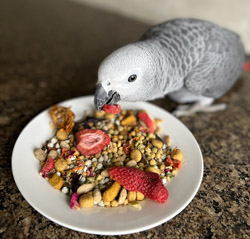
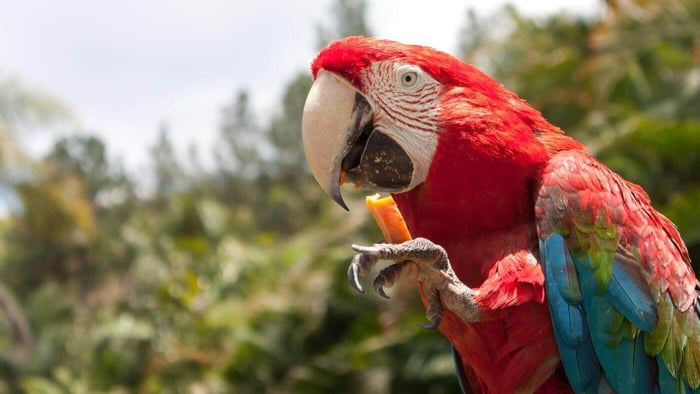
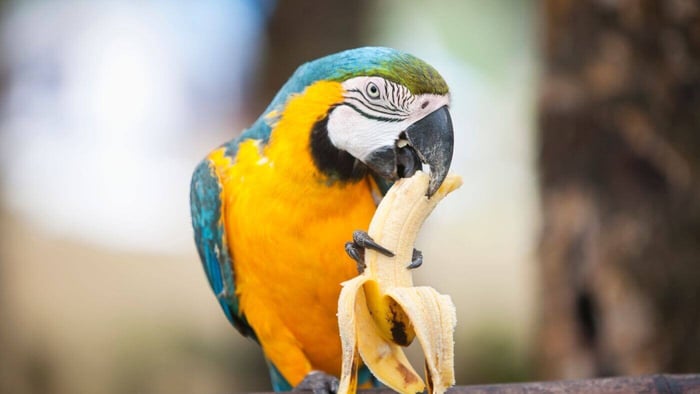
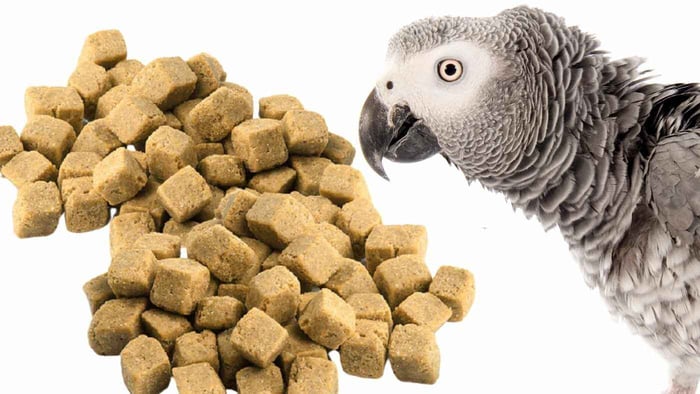
This Healthy Foods and Diet Guide for Exotic Birds explains exactly what parrots should eat, what foods to avoid, and how to build a balanced feeding routine for long-term health. Proper exotic bird nutrition supports strong immunity, vibrant feathers, stable behavior, and a longer lifespan. At The Parrots Exotic Store, we educate every bird owner on responsible feeding because diet is the foundation of lifelong wellness.
Poor nutrition is one of the leading causes of preventable illness in parrots. According to avian care guidelines from the Association of Avian Veterinarians, balanced diets significantly reduce the risk of obesity, liver disease, and vitamin deficiencies in companion birds.
The Ideal Diet Foundation for Exotic Birds
A healthy exotic bird diet should consist of:
- High-quality pellets (60–70%)
- Fresh vegetables (20–30%)
- Limited fruits (5–10%)
- Healthy treats in moderation
Pellets provide balanced vitamins and minerals, while fresh produce adds natural nutrients and enrichment.
Best Vegetables for Exotic Birds
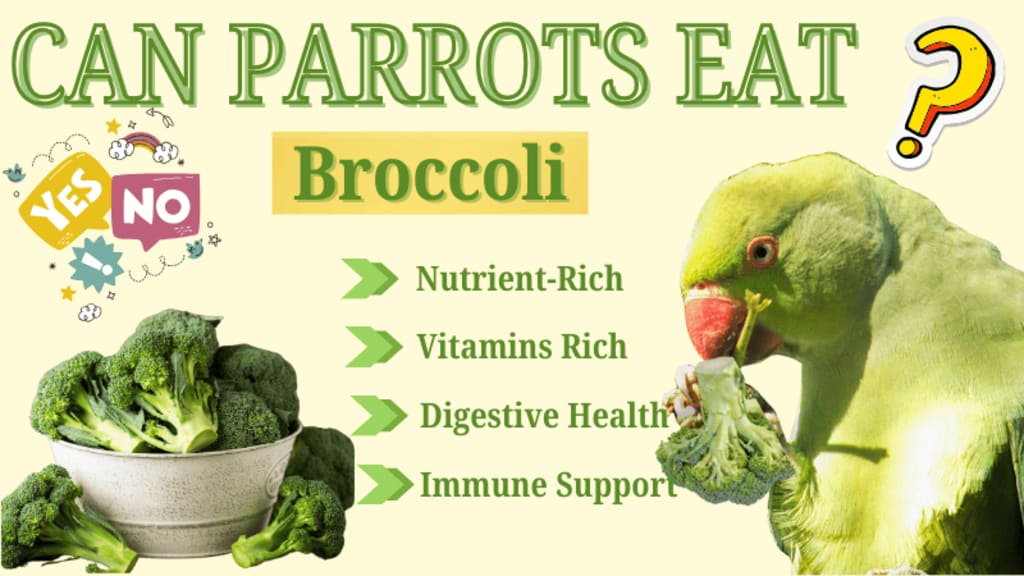
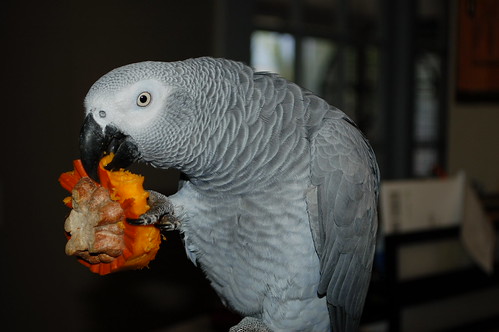

Vegetables should make up a large portion of your bird’s fresh diet.
Excellent choices include:
- Kale
- Spinach (in moderation)
- Carrots
- Broccoli
- Bell peppers
- Zucchini
- Sweet potatoes (cooked)
- Green beans
- Peas
Vegetables provide fiber, antioxidants, and essential vitamins that support immune health and feather condition.
Healthy Fruits (Feed in Moderation)
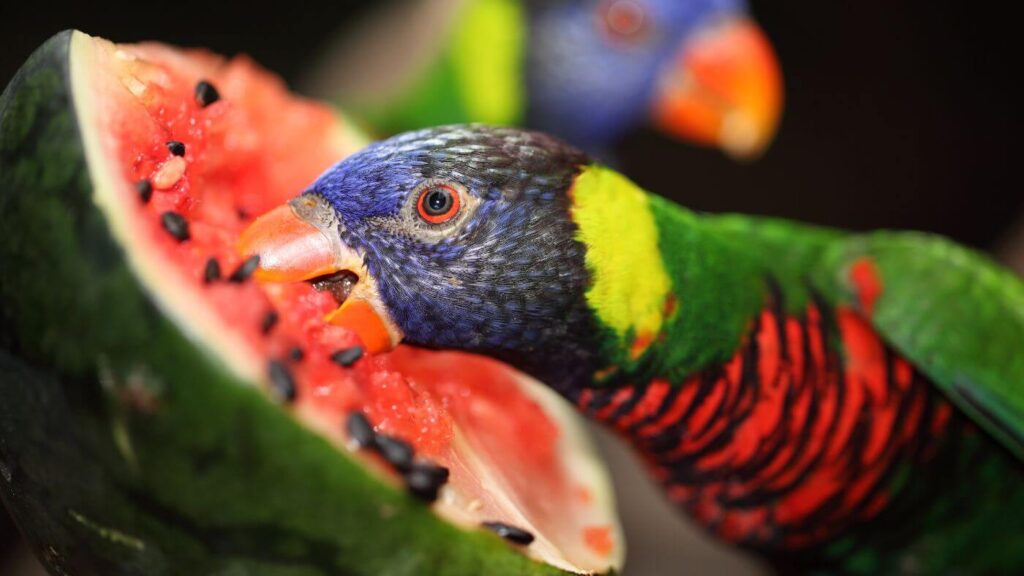
Fruits are nutritious but contain natural sugars, so portion control is important.
- Apples (remove seeds)
- Blueberries
- Strawberries
- Mango
- Papaya
- Melon
- Pomegranate
- Banana (occasionally)
Always wash fruits thoroughly and remove pits or seeds when necessary.
Healthy Protein Sources
Some birds benefit from small amounts of protein.
Safe options include:
- Cooked quinoa
- Cooked brown rice
- Lentils (well-cooked)
- Scrambled eggs (plain, no seasoning)
- Small portions of cooked legumes
Protein supports muscle health and energy levels.
Nuts and Seeds (Treats, Not Staples)

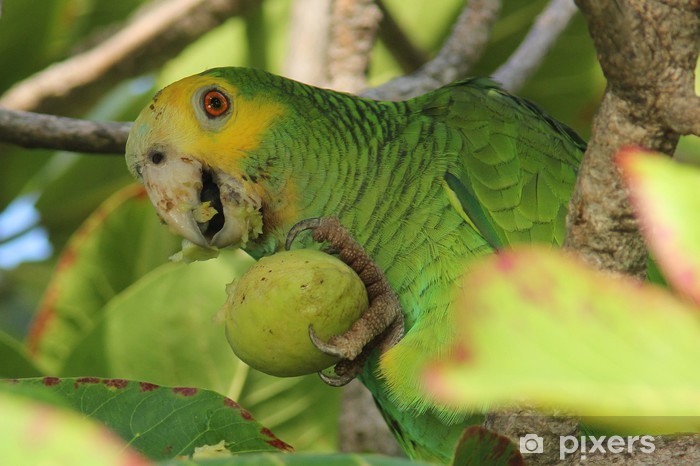
Nuts and seeds are high in fat and should be given sparingly.
Healthy treat options:
- Almonds
- Walnuts
- Pistachios (unsalted)
- Sunflower seeds (limited)
Excessive fatty foods can lead to obesity and fatty liver disease.
Foods You Should NEVER Feed Exotic Birds
Certain foods are toxic or dangerous.
Absolutely avoid:
- Avocado
- Chocolate
- Caffeine (coffee, tea, soda)
- Alcohol
- Onions
- Garlic
- Fruit pits and apple seeds
- High-salt foods
- Sugary snacks
- Fried or processed foods
These items can cause severe toxicity, organ damage, or even death.
The Dangers of a Seed-Only Diet
Many new bird owners mistakenly feed only seeds. While birds enjoy them, seed-only diets can cause:
- Vitamin A deficiency
- Weak immune system
- Obesity
- Liver disease
- Dull feathers
A pellet-based, produce-rich diet is far healthier long-term.
Fresh Water and Hygiene
Always provide:
- Fresh, clean water daily
- Washed produce
- Clean food bowls
- Removal of uneaten fresh food after 2–4 hours
Food safety prevents bacterial growth and illness.
Signs of Poor Nutrition
Watch for:
- Feather plucking
- Dull or brittle feathers
- Low energy
- Weight loss or gain
- Beak abnormalities
- Frequent illness
If you notice dietary-related symptoms, consult an avian veterinarian promptly.
Diet by Bird Size (General Guide)
Small parrots (Lovebirds, Parrotlets):
Smaller pellet sizes, finely chopped vegetables.
Medium parrots (Conures, African Greys):
Standard pellet formula, variety of vegetables, moderate fruits.
Large parrots (Macaws, Cockatoos):
Larger pellets, higher vegetable variety, controlled nuts.
Portion sizes vary by species and activity level.
Tips for Transitioning to a Healthier Diet
Switching from seeds to pellets requires patience.
- Introduce pellets gradually
- Mix with current food
- Offer vegetables in the morning when hungry
- Model eating behavior
- Be consistent
Some birds take weeks to adjust — persistence is key.
Final Thoughts: Nutrition Is Lifelong Care
Healthy eating is not optional — it’s essential. A balanced, varied diet leads to:
- Strong immunity
- Vibrant plumage
- Better behavior
- Increased lifespan
- Higher energy
At The Parrots Exotic Store, we educate every owner on proper exotic bird nutrition to ensure their companions thrive for decades.
When you feed your bird correctly, you are investing in a longer, healthier, and happier life together.