
Bringing home an exotic bird is exciting — but many new owners underestimate the level of care, patience, and knowledge required. Parrots and other exotic species are intelligent, emotional, and long-lived companions that thrive when their needs are properly met.
At The Parrots Exotic Store, we believe education prevents problems. Below are the most common mistakes new exotic bird owners must avoid to ensure a healthy, happy, and well-adjusted companion.
1. Choosing the Wrong Species
One of the biggest mistakes is selecting a bird based on appearance rather than lifestyle compatibility.
Large parrots require:
- More space
- Greater noise tolerance
- Longer lifespans
- Higher financial commitment
Some species are more suitable for beginners than others. Proper research and expert guidance are essential before making a decision.
2. Underestimating Lifespan Commitment
Many exotic birds live decades:
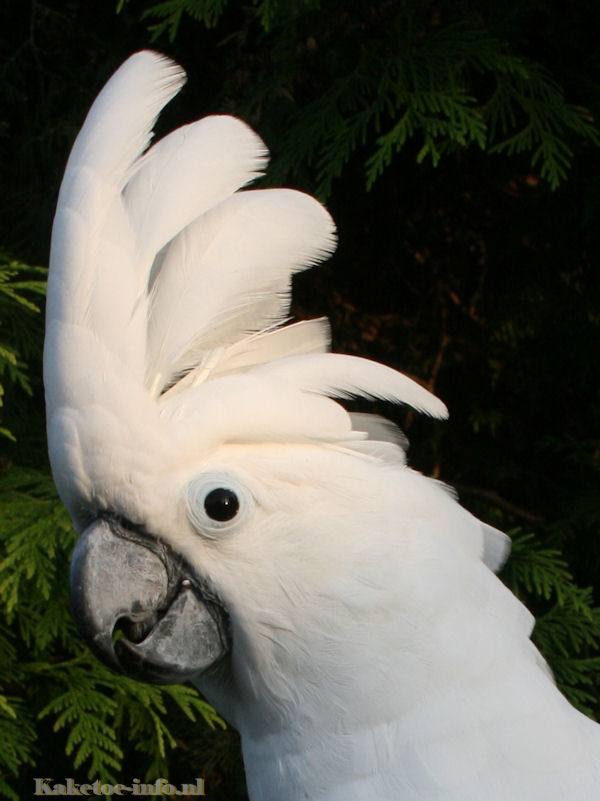
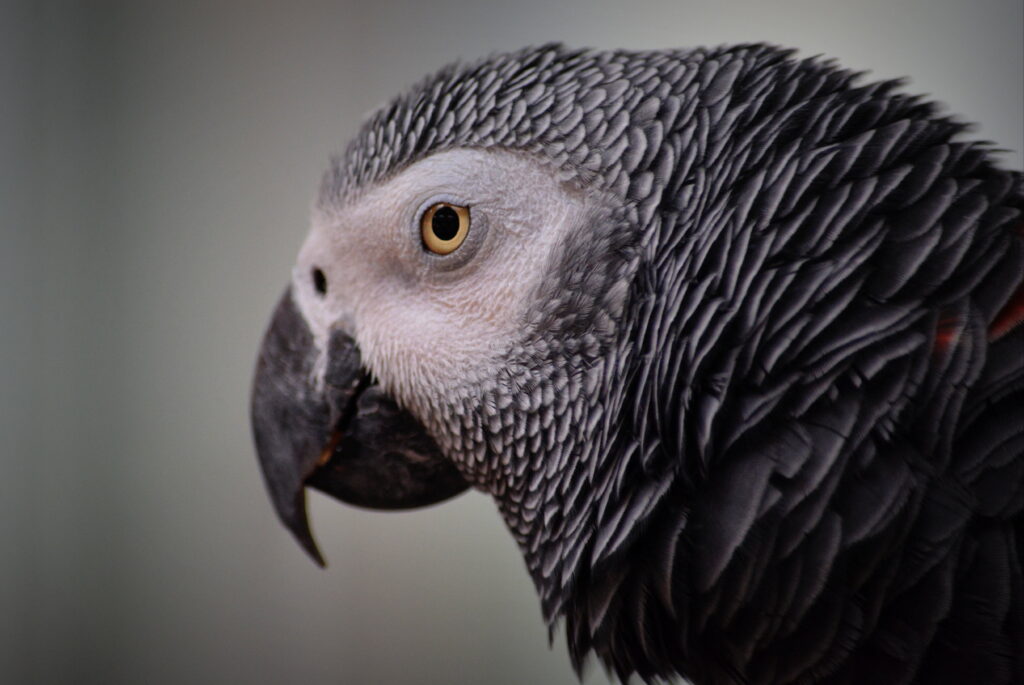
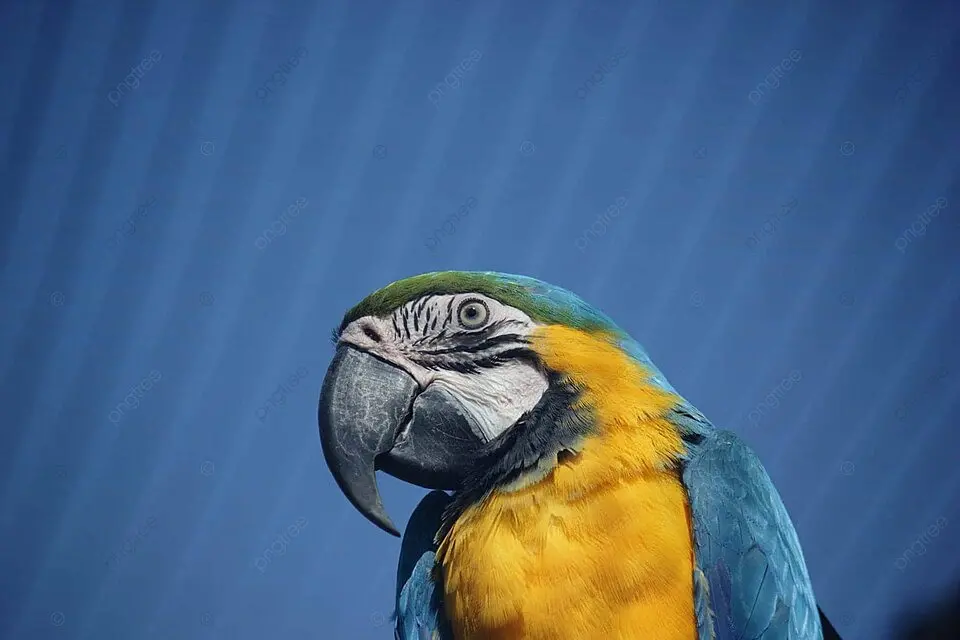
- Small parrots: 15–20 years
- Medium parrots: 25–40 years
- Large parrots: 50+ years
Failing to plan for long-term care leads to frequent rehoming — which causes emotional stress for birds that bond deeply with their owners.
3. Providing an Inadequate Diet
Feeding only seeds is a common beginner error. A seed-only diet can lead to:
- Vitamin deficiencies
- Obesity
- Fatty liver disease
- Weak immunity
A proper diet should include:
- High-quality pellets
- Fresh vegetables
- Limited fruits
- Clean water daily
Balanced nutrition directly impacts lifespan and feather quality.
4. Buying a Cage That Is Too Small
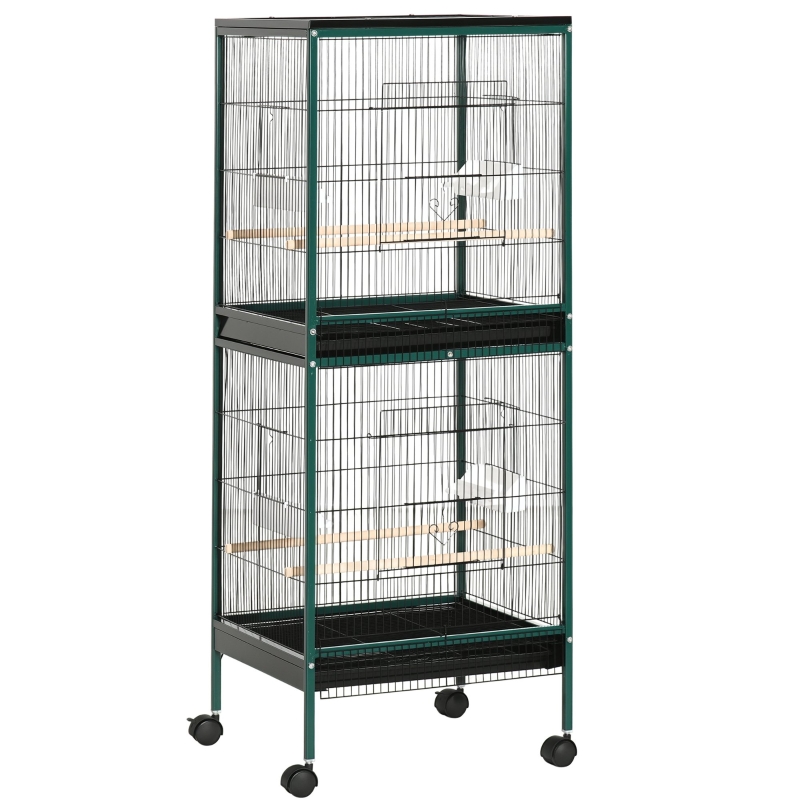
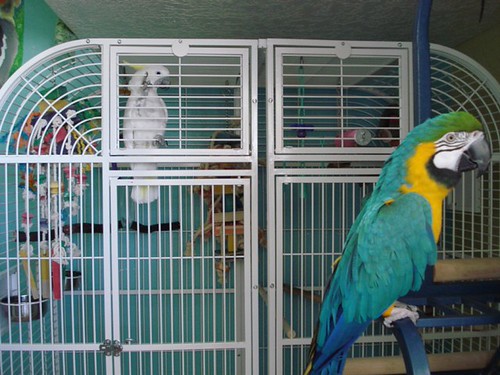
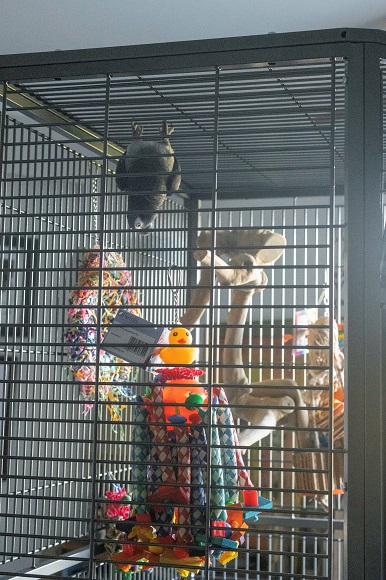
New owners often underestimate space requirements. A cramped cage can cause:
- Stress
- Aggression
- Lack of exercise
- Muscle weakness
Birds need room to stretch fully, climb, and move comfortably. The cage should be large enough for enrichment toys and multiple perch sizes.
5. Ignoring Mental Stimulation
Parrots are extremely intelligent. Without enrichment, boredom leads to:
- Feather plucking
- Excessive screaming
- Destructive chewing
- Depression
Essential enrichment includes:
- Puzzle toys
- Foraging activities
- Rotating chew toys
- Daily training sessions
- Supervised out-of-cage time
Mental stimulation is just as important as physical care.
6. Expecting Instant Bonding
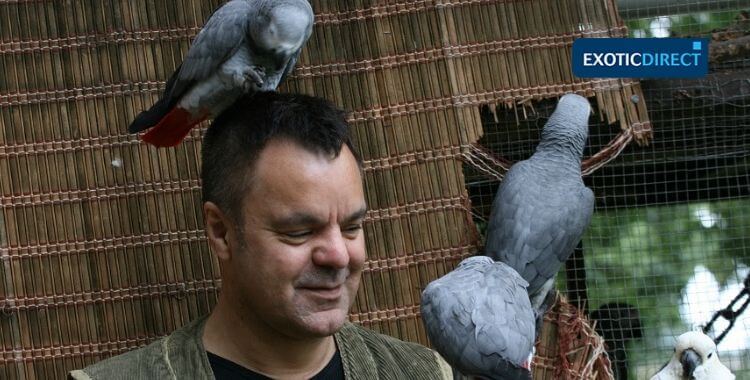
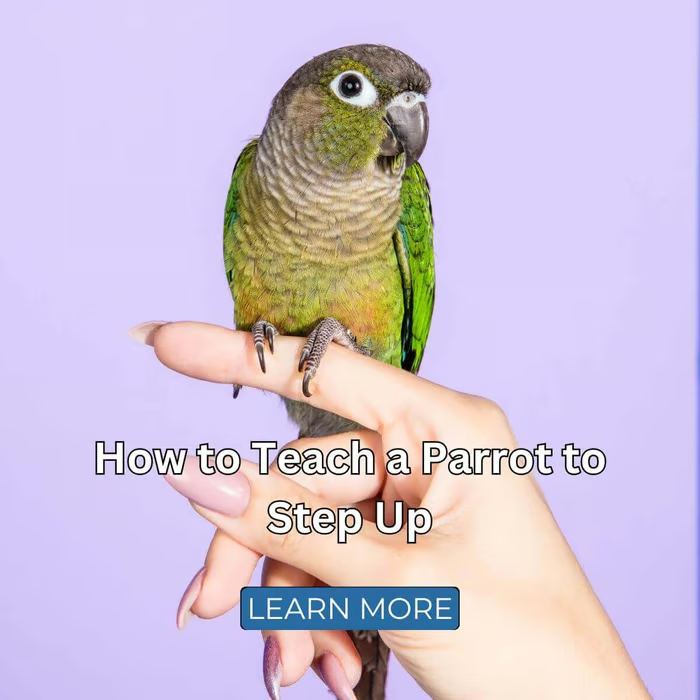
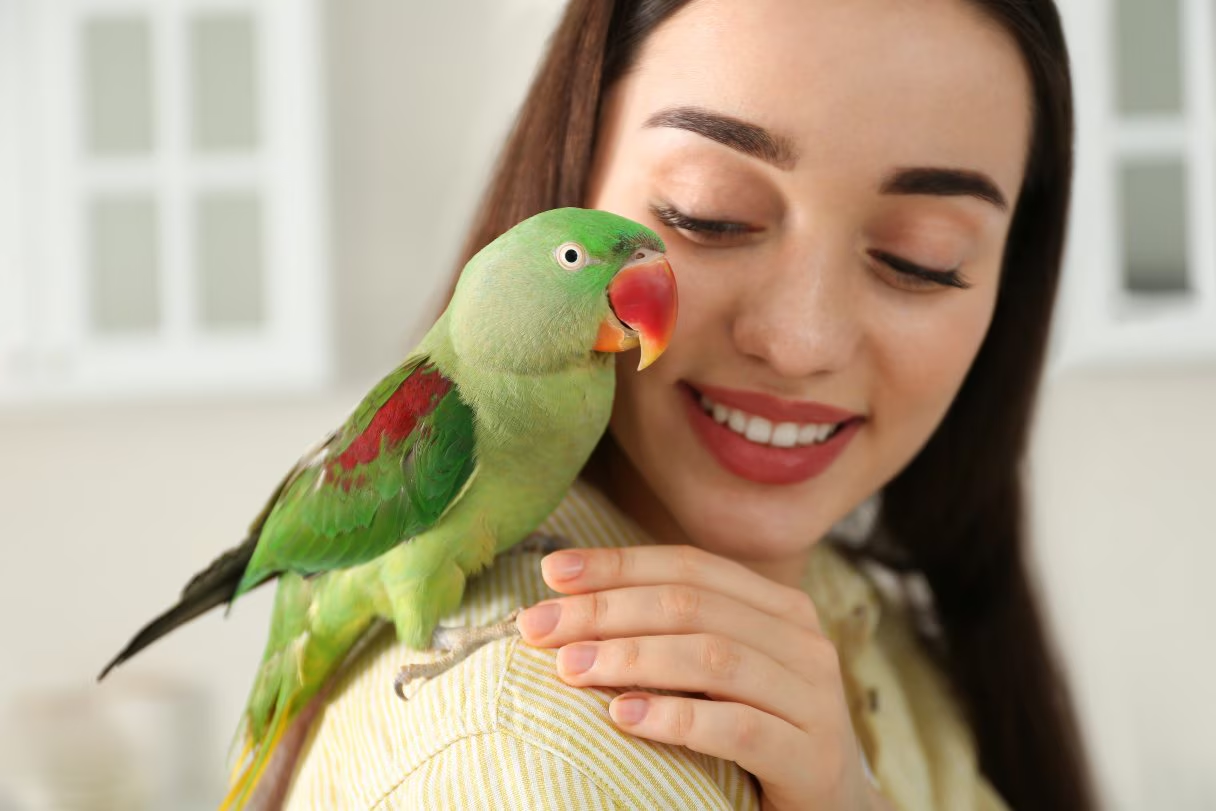
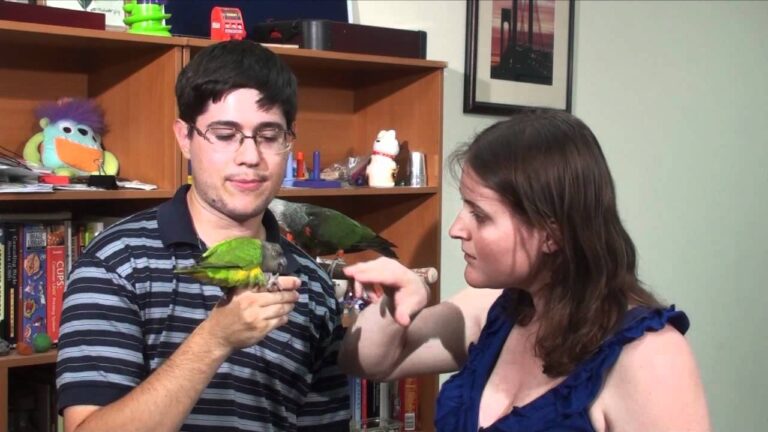
Some new owners expect immediate affection. However, bonding takes patience.
Birds may need:
- Time to adjust to new surroundings
- Gentle, consistent handling
- Calm environments
- Predictable routines
Forcing interaction can damage trust. Relationship-building must happen gradually.
7. Failing to Bird-Proof the Home
Exotic birds are sensitive to environmental hazards, including:
- Non-stick cookware fumes
- Aerosols and air fresheners
- Toxic plants
- Open windows or ceiling fans
- Electrical cords
A safe environment is non-negotiable. Prevention protects against accidents and respiratory issues.
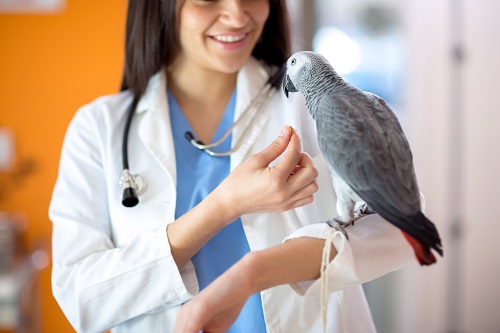
8. Skipping Avian Veterinary Care
Many new owners wait until a bird appears sick. Unfortunately, birds hide illness well. By the time symptoms show, the condition may be advanced.
Annual avian veterinary checkups are essential for:
- Early detection
- Weight monitoring
- Nutritional assessment
- Disease prevention
Proactive care extends lifespan significantly.
9. Punishing Natural Behaviors
Chewing, vocalizing, and climbing are normal bird behaviors. Punishment creates fear and mistrust.
Instead:
- Redirect chewing to safe toys
- Reinforce positive behavior
- Provide appropriate outlets for energy
Understanding natural instincts prevents frustration on both sides.
10. Lack of Long-Term Planning
Major life changes — relocation, new jobs, family expansion — often affect bird ownership. Failing to plan ahead can result in stressful rehoming situations.
Responsible ownership means considering:
- Financial stability
- Housing permanence
- Time availability
- Long-term lifestyle compatibility
Final Thoughts: Education Prevents Heartbreak
Most behavioral and health problems stem from preventable beginner mistakes. With proper preparation, exotic bird ownership becomes an incredibly rewarding experience.
At The Parrots Exotic Store, we prioritize:
- Responsible species matching
- Ethical breeding
- Early socialization
- Veterinary health screening
- Owner education and lifetime guidance
When new owners understand what to expect, birds thrive in stable, loving homes.